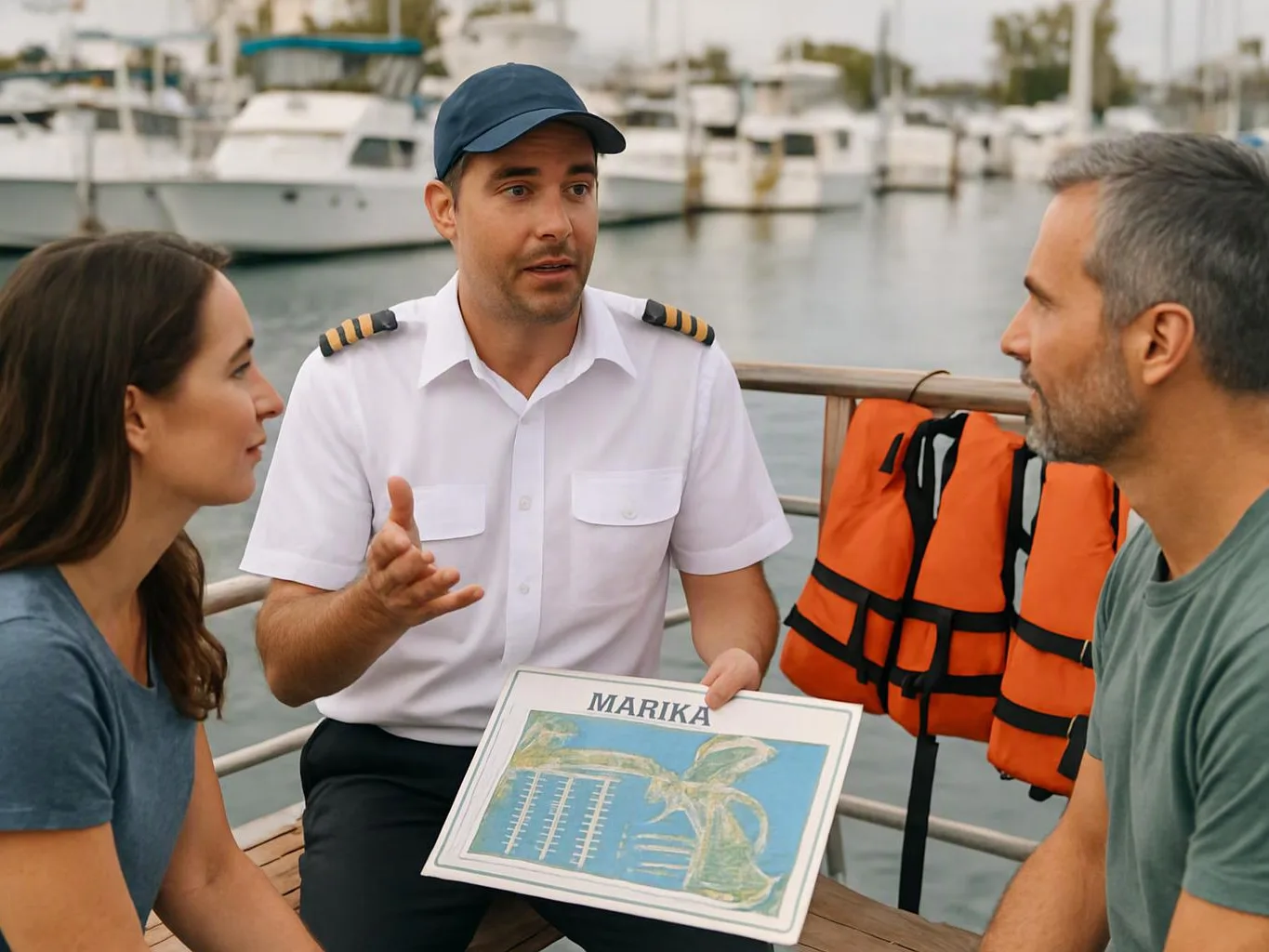
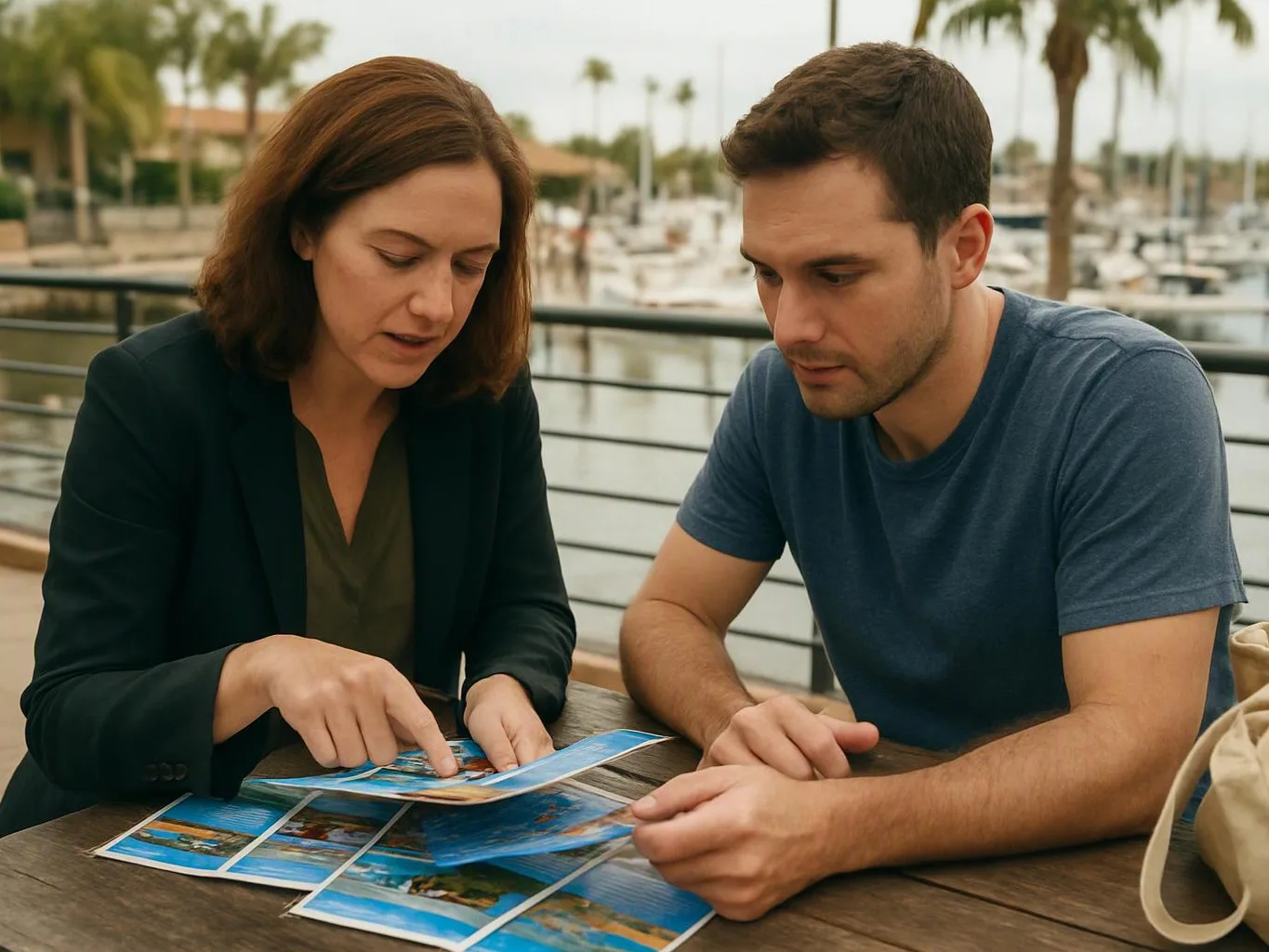
A Group Cruise Planning Checklist for Conflicting Preferences
A group cruise planning checklist works best when travelers separate shared priorities from flexible choices, record decisions, and assign booking tasks. CruiseTourScottsdale.link uses this process to help groups coordinate cruise bookings without losing track of individual needs.
Written by Wendy Denny
Request an EstimateWritten by Wendy Denny
What Should a Group Decide Before Booking a Cruise?
A cruise group should decide its shared priorities, flexible choices, decision makers, and booking process before anyone commits.
Group travel planning starts with an honest conversation about the cruise itinerary. Travelers should agree on travel dates, destination, budget, and port of departure before comparing specific options.
Cabin preferences may differ across the group. Some travelers may want a quiet location, while others may prefer connecting cabins or easy access to onboard activities. Record which choices affect everyone and which choices stay personal.
Choose a decision maker for shared questions, and give each traveler a clear way to share updates. Our Group Travel Planning process uses documented choices so personal preferences don't get lost.
How Can Groups Compare Cruise Options Fairly?
A comparison table helps groups weigh the same cruise features while showing which choices affect everyone and which remain personal.
Use the same questions for every option. Mark shared decisions clearly, then leave room for individual preferences.
| Feature | Group question | Shared or personal? |
|---|---|---|
| Cruise line and ship | Does the ship offer a comfortable mix of amenities? | Usually shared |
| Itinerary and port of departure | Can everyone manage the route and departure plan? | Shared |
| Cabin category | Which cabin locations and layouts suit each traveler? | Personal |
| Onboard activities | Are there choices for both active and relaxed travelers? | Mixed |
| Shore excursions | Which excursions should the group share? | Mixed |
| Dining options | What dining plan works for the group? | Shared with personal needs |
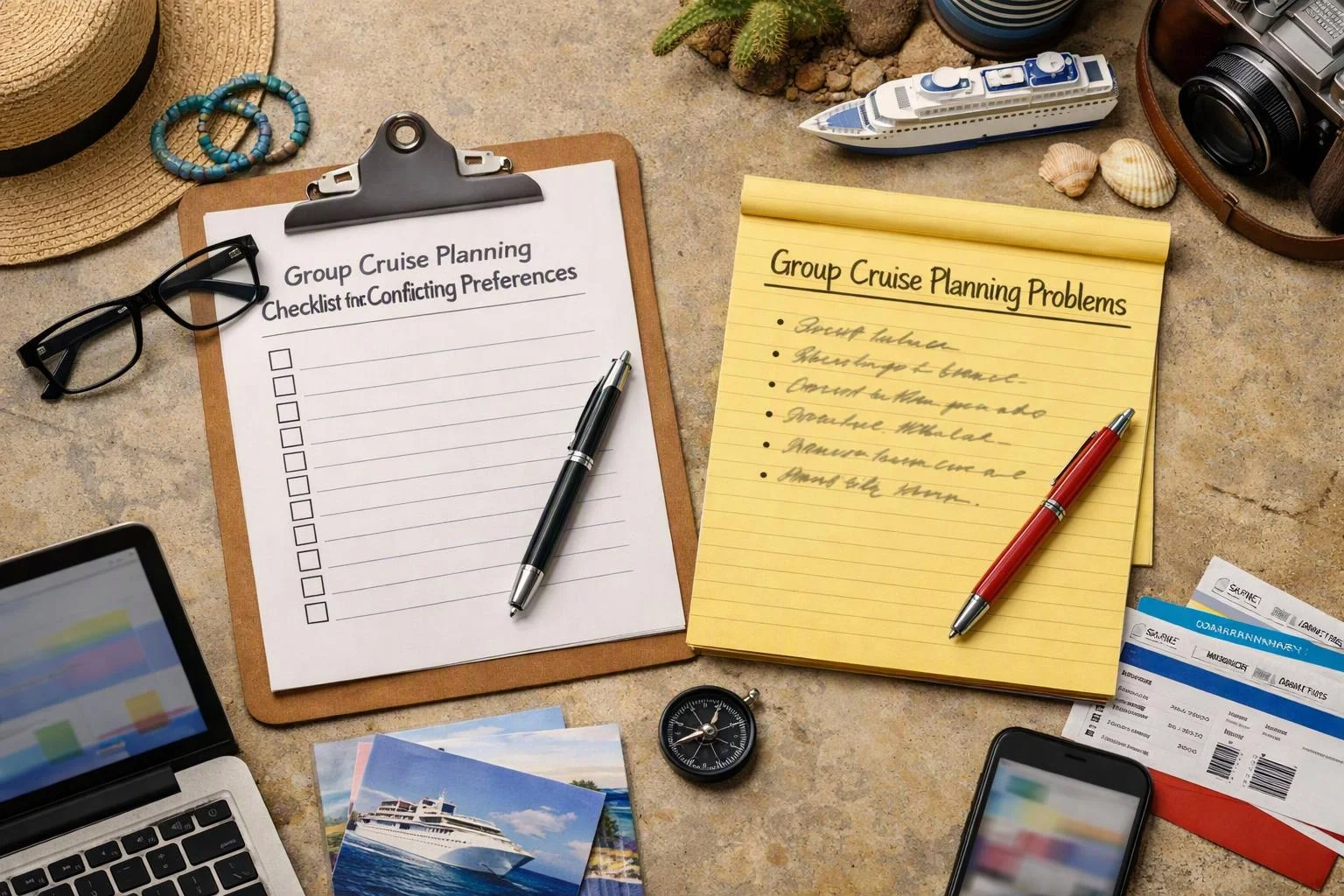
Before Booking: Group Cruise Planning Checklist
Before booking, the group should confirm who is traveling, what the trip must include, and which documents each guest needs.
Our team uses this checklist to separate firm choices from flexible choices. That approach helps prevent one traveler's preference from controlling the whole group.
How Do You Coordinate Cruise Bookings for Multiple Travelers?
Multiple traveler bookings stay organized when one shared record tracks guest details, cabin assignments, deadlines, and unresolved choices.
A group booking may include different cabin types, dining needs, and payment arrangements. We keep those details in one reservation record and link each guest to the correct cabin assignment.
The booking coordinator should own the communication plan. That person can collect guest information, share payment deadlines, and confirm decisions through one agreed communication channel.
Our team checks names, cabin details, dining requests, and reservation numbers before finalizing the booking. We also identify choices that travelers can make separately, such as some onboard activities or shore excursions.
During Booking: Confirm Every Group Decision
During booking, the group should confirm every shared choice and match each detail to the correct traveler.
Use the reservation record as the source of truth. Ask the booking coordinator to report open items before anyone assumes a choice is final.
What Red Flags Can Disrupt a Group Cruise?
Unclear ownership and scattered information can disrupt a group cruise before embarkation begins.
Watch for these warning signs during group travel coordination:
After Booking: Keep the Group Aligned
After booking, the group should keep one current record for travel documents, meeting plans, and schedule changes.
Shared updates reduce confusion when travelers choose different activities or change personal plans. Keep group decisions visible, but allow each traveler to manage personal choices.
How We Help Groups Turn Preferences Into a Cruise Plan
CruiseTourScottsdale.link helps groups turn conflicting preferences into a documented cruise plan with coordinated booking support.
Our cruise agency team organizes cruise vacations around shared priorities and flexible choices. We compare the cruise line, ship, itinerary, cabin category, dining options, and shore excursions with the group.
We also support itinerary planning, traveler coordination, and multi-cabin booking. Our process keeps guest information, cabin assignments, payment deadlines, and travel documents connected.
Groups can use our Group Travel Planning service when friends or family members want different experiences. We help the decision maker keep the communication plan clear from the first choice through disembarkation.
When cost matters, we review the factors that shape each traveler's booking, including cabin category, selected options, and shared arrangements. Contact us for an exact quote that reflects the group's plan.
Questions About Group Cruise Planning
How do I plan a cruise with friends who have different interests?
Group cruise planning works best when friends agree on shared priorities first and keep personal activities flexible. Compare the itinerary, ship, dining, cabins, and shore excursions together, then let travelers choose individual options.
Can a group stay connected when travelers book different cabin types?
Yes, a group can stay connected with different cabin types when one reservation record tracks each cabin assignment and guest detail. A shared communication plan can also keep dining, meeting points, and excursions aligned.
How should a group handle travelers who join or leave the plan?
A group should update the traveler list and reservation record whenever someone joins or leaves the plan. The booking coordinator should then review cabin assignments, dining requests, excursions, and payment deadlines.
What information should each traveler provide before a group cruise booking?
Each traveler should provide accurate guest information, travel dates, cabin needs, accessibility needs, dining preferences, and required travel documents. Travelers should also share their budget preferences and interest in shore excursions.